
Why Your Business Needs an Online Store
Jan 05, 2024 | Why Your Business Needs an Online Store
Why Your Business Needs an Online Store
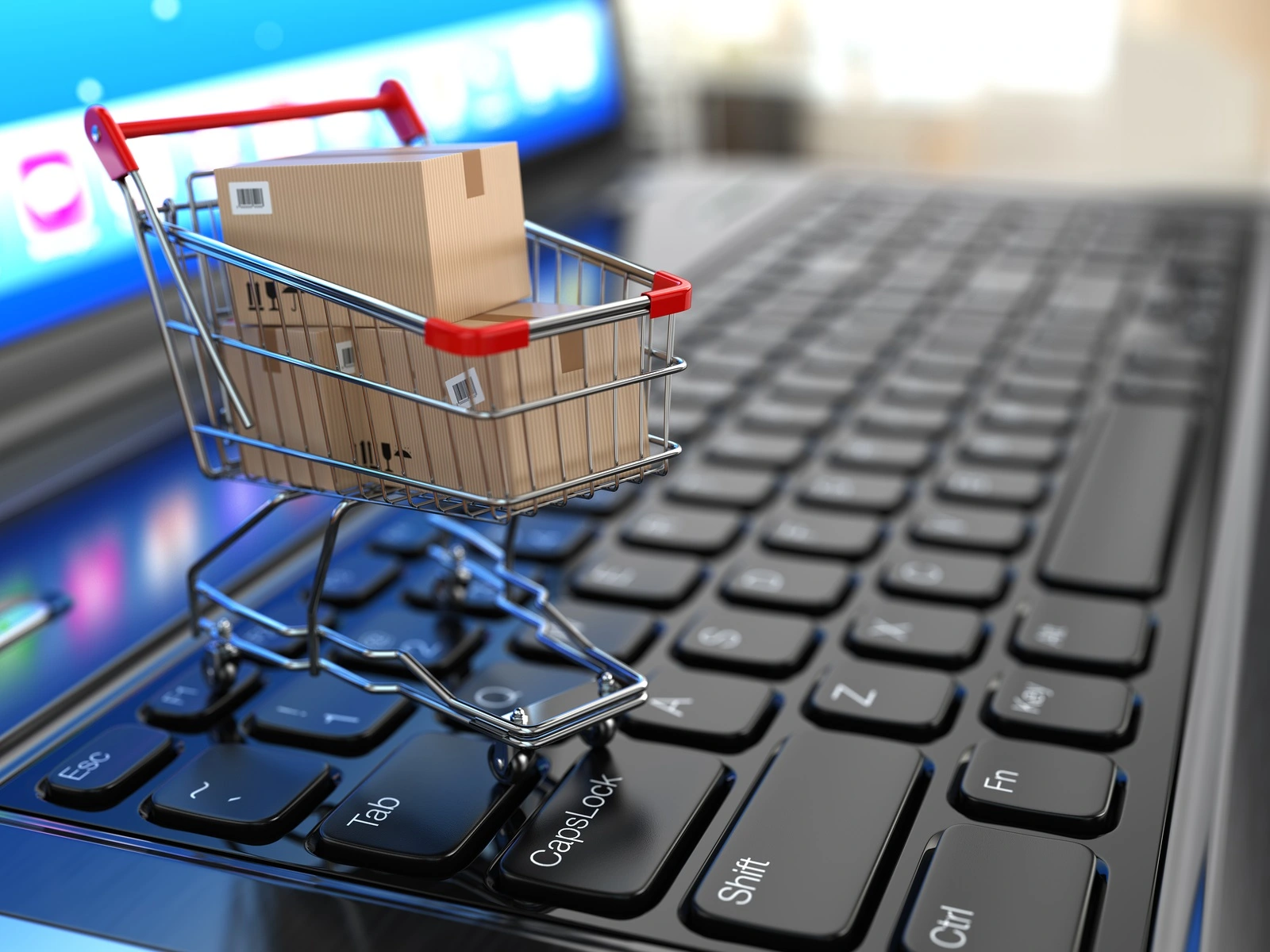
E-commerce is more than just a trendy buzzword; it's a crucial element in today’s business landscape. With the rise of online shopping, businesses now have the opportunity to reach customers globally, offering convenience and accessibility that traditional brick-and-mortar stores simply can't match.
Here are some of the key reasons why e-commerce is essential for businesses
- Wider Customer Reach: The beauty of e-commerce is that it transcends geographical barriers. With an online store, businesses can cater to customers from all around the world. Whether you're selling locally or internationally, an e-commerce website allows you to reach a larger audience and tap into new markets.
- 24/7 Accessibility: Unlike physical stores that have limited working hours, e-commerce websites are open 24/7. This gives customers the flexibility to shop at any time that suits them, regardless of time zone. This not only increases sales but also improves customer satisfaction. satisfaction.
- Cost Efficiency: Running an e-commerce business typically costs less than maintaining a physical storefront. Without the need for a brick-and-mortar location, you save on rent, utilities, and staff. These savings can be reinvested into your business, allowing for greater growth and profitability.
- Convenience for Customers: Customers today want convenience. They want to browse products, compare prices, and make purchases from the comfort of their homes. With an e-commerce platform, businesses can provide a seamless shopping experience that meets these demands.
- Personalized Shopping Experience: With e-commerce, businesses can gather data on customer behavior, preferences, and buying patterns. This data can then be used to create personalized marketing strategies and tailor product recommendations, improving the overall customer experience and increasing conversions.
Types of E-Commerce Models
There are several types of e-commerce models that businesses can adopt depending on their needs and goals. Here are the most common ones::
B2C (Business-to-Consumer)
B2C is the most common e-commerce model, where businesses sell products directly to consumers. Examples include online retailers like Amazon, Walmart, and fashion stores.
B2B (Business-to-Business)
B2B e-commerce refers to transactions between businesses. This model is commonly seen in wholesale and manufacturing industries, where companies buy and sell goods in bulk to other companies.
C2C (Consumer-to-Consumer)
C2C platforms allow individuals to sell directly to other consumers. Popular platforms like eBay and Craigslist are prime examples of C2C e-commerce.
C2B (Consumer-to-Business)
In the C2B model, consumers offer products or services to businesses. This model is seen in industries like freelance work, where individuals offer their skills or expertise to companies.
How E-Commerce Can Transform Your Business
E-commerce isn’t just about selling products online; it's about revolutionizing your entire business. Here's how e-commerce can transform the way you run your business
- Automated Inventory Management: Many e-commerce platforms come with integrated inventory management tools that help track stock levels in real-time. This ensures you never run out of stock or overstock items, allowing for better supply chain management.
- Seamless Payment Processing: With secure online payment systems like PayPal, Stripe, and others, customers can make payments quickly and safely. E-commerce platforms can also handle multiple currencies and payment methods, making transactions smoother for both you and your customers.
- Better Customer Insights Through analytics tools, e-commerce platforms provide valuable insights into customer behavior, sales trends, and marketing campaign performance. This information helps businesses make data-driven decisions and refine their strategies for maximum impact.
- Marketing Automation: E-commerce platforms integrate with marketing tools, allowing businesses to run targeted email campaigns, offer discounts, and engage customers in a way that is both automated and personalized.
- Increased Sales: With the ability to reach a global audience, e-commerce has the potential to boost your sales significantly. Whether you’re selling physical products, digital goods, or services, an online store can help you tap into markets you might not have access to otherwise.
Best Practices for Running a Successful E-Commerce Business
Running an e-commerce business requires more than just listing products online. To succeed, you need to follow certain best practices::
- Mobile Optimization: With mobile commerce on the rise, it’s essential to ensure that your e-commerce site is mobile-friendly. A responsive website that adapts to different screen sizes will enhance the shopping experience for customers on smartphones and tablets.
- User-Friendly Navigation: Make sure your website is easy to navigate, with clear categories, filters, and search functions. Customers should be able to find what they’re looking for quickly and easily.
- High-Quality Product Images and Descriptions: Product images and descriptions play a crucial role in convincing customers to make a purchase. Use high-quality images and provide detailed product descriptions to help customers make informed decisions.
- Fast Shipping and Delivery: Offering fast and reliable shipping is one of the key factors that determine customer satisfaction. Ensure that you partner with reliable delivery services to fulfill orders on time.
- Customer Support: Offering excellent customer support is crucial for building trust and loyalty. Make sure customers can easily contact you for assistance, whether it’s through live chat, email, or phone.
E-commerce is no longer just an option for businesses; it’s a necessity. It provides businesses with the opportunity to reach new customers, improve operations, and increase sales. By leveraging e-commerce, businesses can stay competitive and continue to grow in an ever-evolving digital landscape.
If you're ready to take your business online and start reaping the benefits of e-commerce, get in touch with us today. We can help you build a customized e-commerce platform that suits your business needs and goals.
Recent Blogs
-
How custom software can transform your business!
Jul 16, 2024
-
The Importance of Software in Business
Jan 05, 2024
-
Types of software
Nov 29, 2024
-
Why Your Business Needs an Online Store
Jan 05, 2024
Do you have any more questions?
If you still have questions about our services or how we can help you, click “contact us” for more information.